Get to know the main structures and architectural complexes of Tikal
Tikal National Park is home to one of the most extensive and impressive architectural ensembles of the ancient Maya civilization. Although the site contains thousands of structures, only a small portion has been restored and made accessible to the public, allowing visitors to explore plazas, temples, and ceremonial complexes surrounded by the lush rainforest of Petén.
Below are some of the most representative structures you can visit during your tour of Tikal.
The Great Plaza
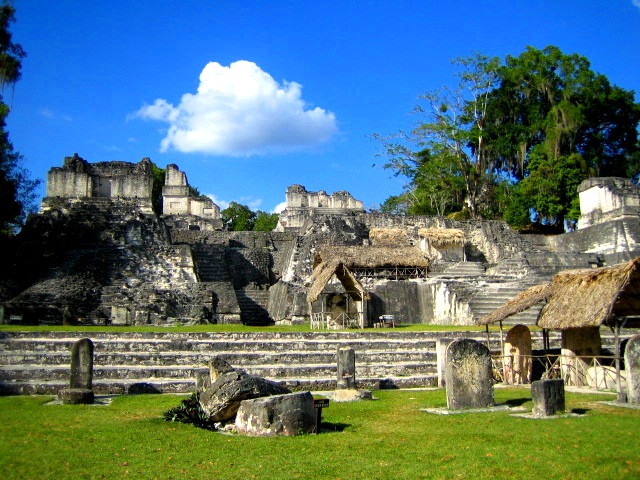
The Great Plaza is the ceremonial and symbolic heart of the ancient city. It is surrounded by some of Tikal’s most iconic structures and served as the main setting for civic, ritual, and commemorative activities.
From this area, you can observe:
Temple I (east)
Temple II (west)
The North Acropolis
The Central Acropolis
Temple I – Temple of the Great Jaguar
Located on the eastern side of the Great Plaza, Temple I is one of the most recognizable structures at Tikal. It is a stepped limestone pyramid approximately 47 meters high, built during the Late Classic period.
Its modern name comes from a carved lintel depicting a ruler seated on a jaguar throne. The temple had a ceremonial and funerary function and is considered one of the most important symbols of the archaeological site.
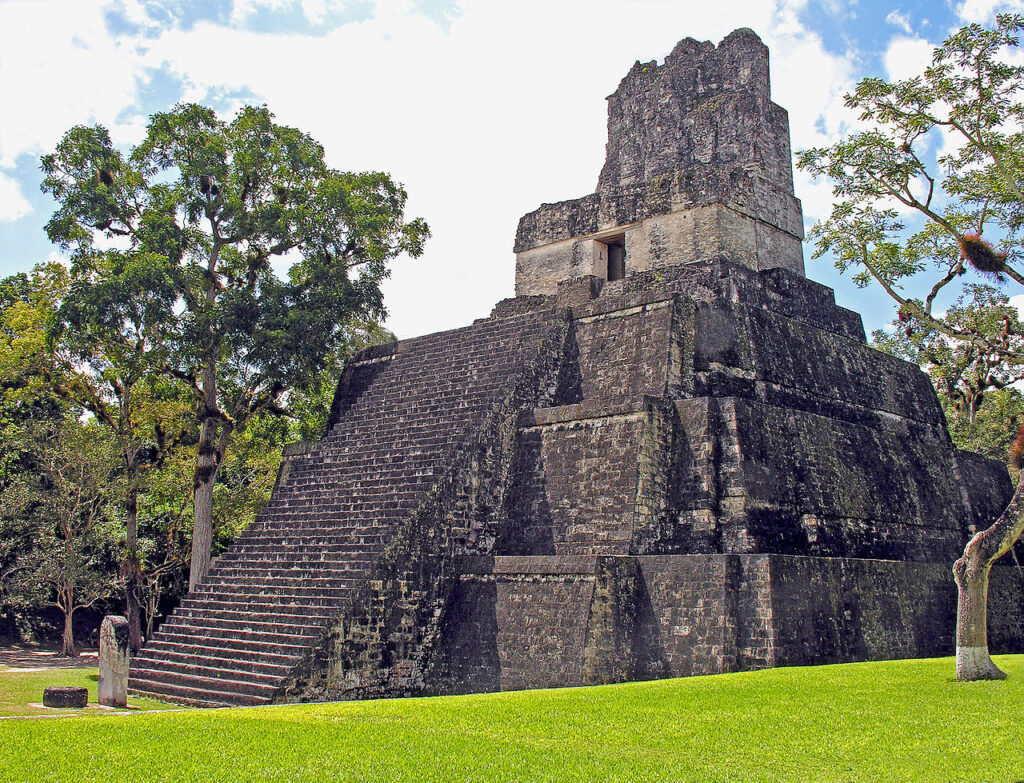
Temple II – Temple of the Masks
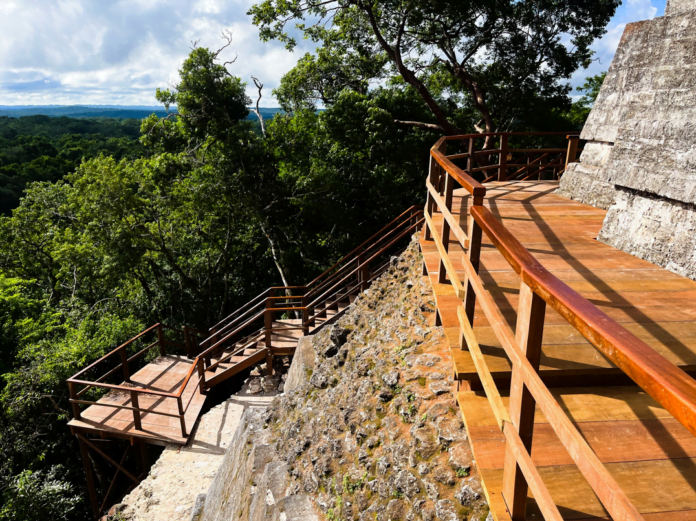
Facing Temple I on the western side of the Great Plaza, Temple II rises approximately 38 meters. Its broader and less steep profile allows visitors to access a wooden observation platform, offering an excellent view of the plaza.
This temple is believed to have been associated with the royal dynasty of Tikal and formed part of the city’s central ceremonial complex.
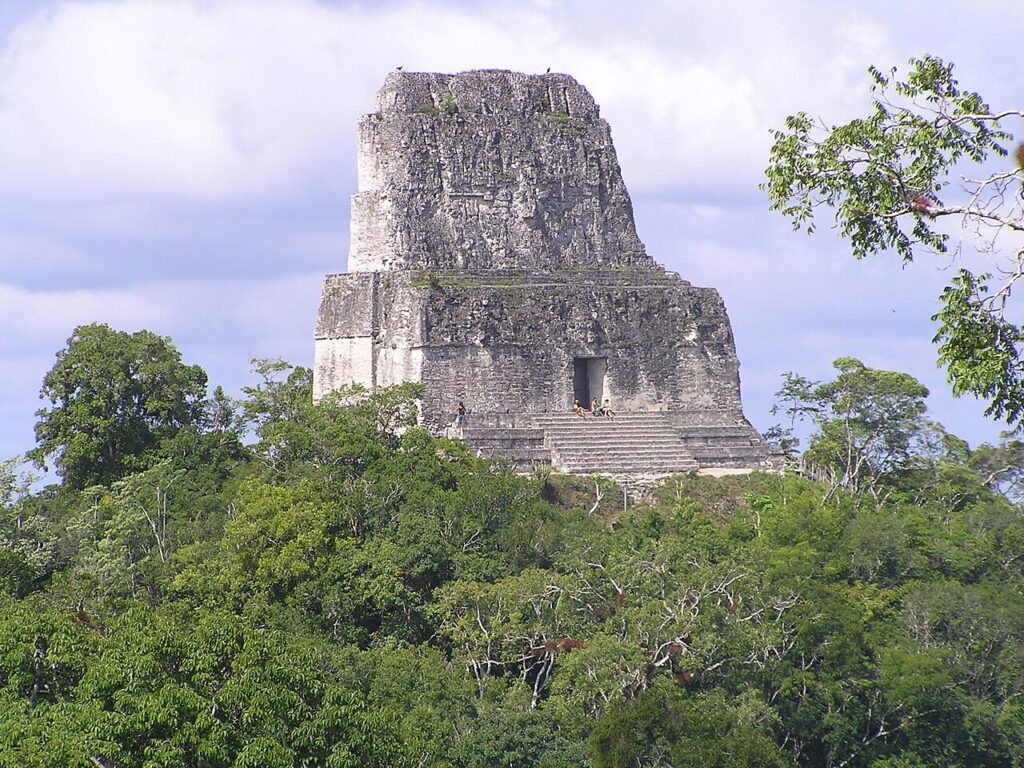
Temple IV
Temple IV is the tallest structure in Tikal and one of the tallest ancient structures in the Maya world. From its upper platforms, visitors can enjoy an exceptional panoramic view of the rainforest canopy, with several temples emerging above the vegetation.
This temple has been used as an observation point during special visits such as sunrise and sunset tours, in accordance with current park regulations.
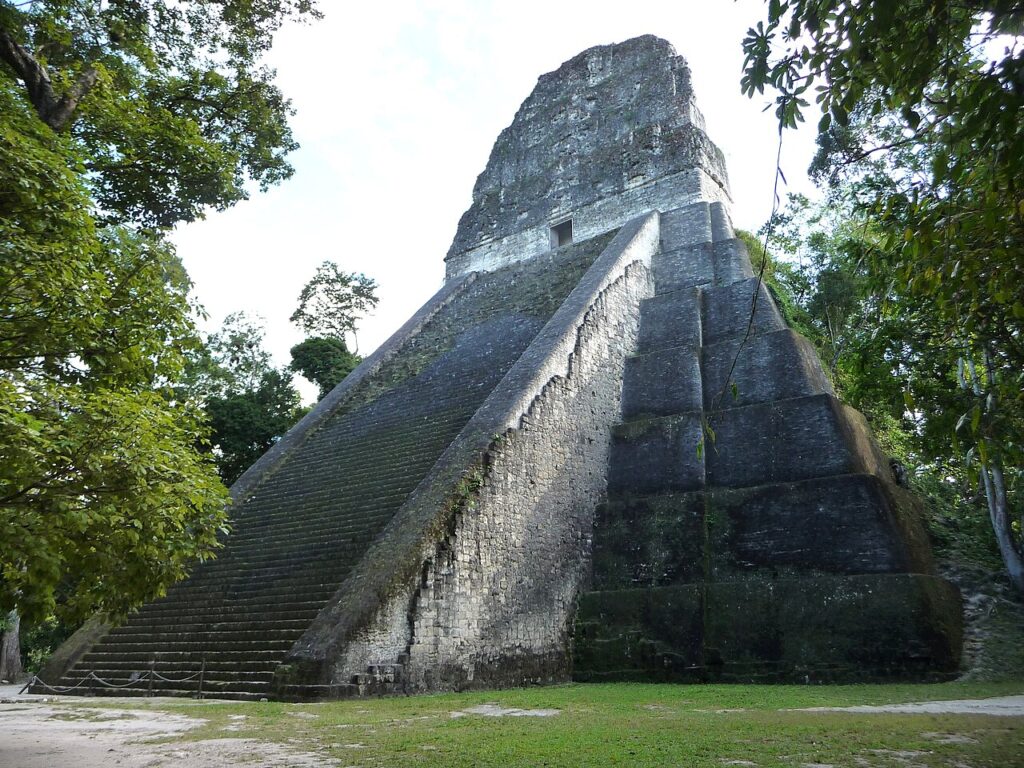
Temple V
Located south of the Central Acropolis, Temple V is one of the most imposing pyramids at the site, with an approximate height of 57 meters. Its isolated location within the jungle offers a striking visual contrast between monumental architecture and natural surroundings.
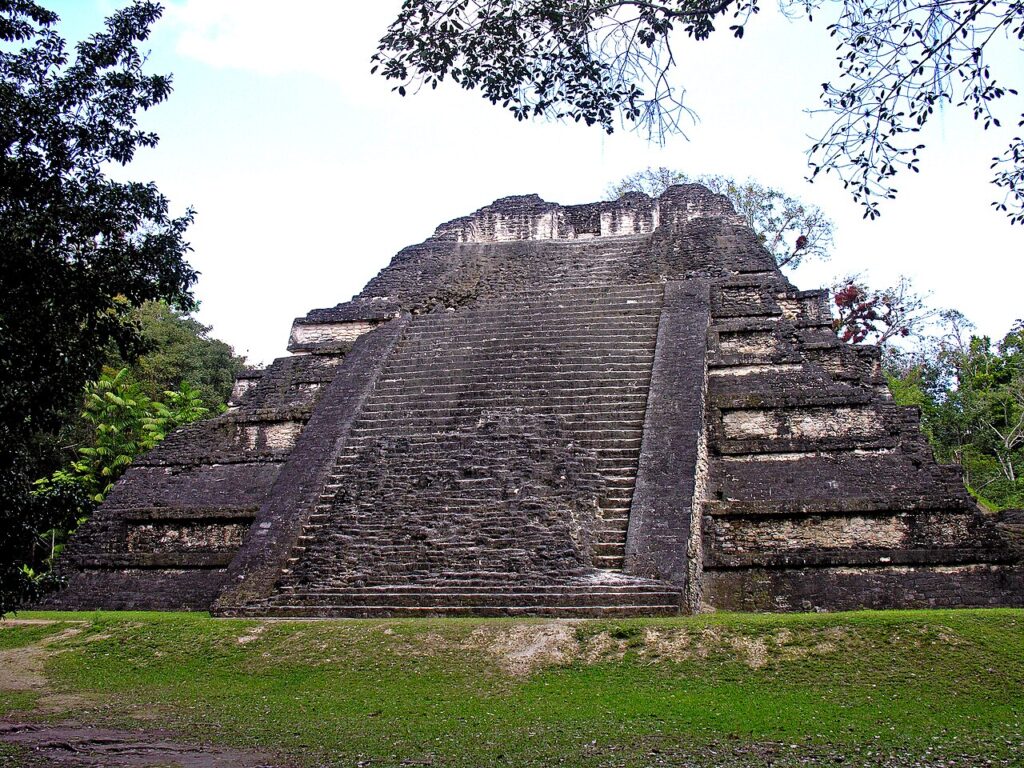
Lost World Complex (Mundo Perdido)
The Lost World Complex is one of the oldest architectural groups at Tikal. It consists of a central pyramid and several associated structures linked to ceremonial activities and astronomical observations.
This complex provides elevated views of the park and offers valuable insight into the urban planning and ritual life of the ancient city.
North Acropolis
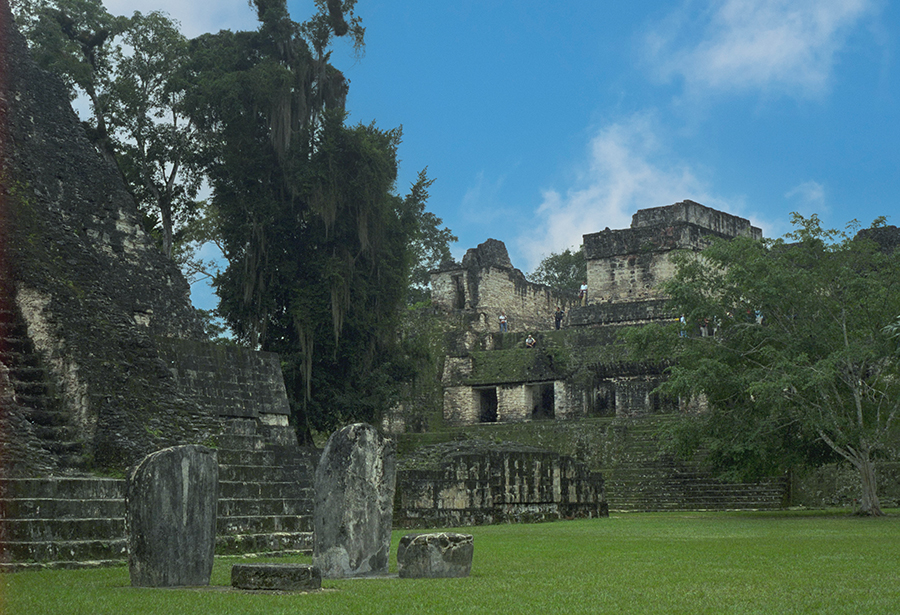
The North Acropolis is one of the most extensively studied complexes at Tikal. Over centuries, temples were built atop earlier structures, forming a funerary and ceremonial space closely linked to the ruling dynasty.
This area reflects the political continuity and religious significance of the city across different historical periods.
Central Acropolis
Located south of the Great Plaza, the Central Acropolis consists of a series of palaces and courtyards that served administrative and residential functions for the elite.
This complex allows visitors to better understand how space was organized beyond the ceremonial temples, offering a more complete picture of daily life in ancient Tikal.
Plazas and Ceremonial Complexes
In addition to the Great Plaza, Tikal features several other important spaces, including:
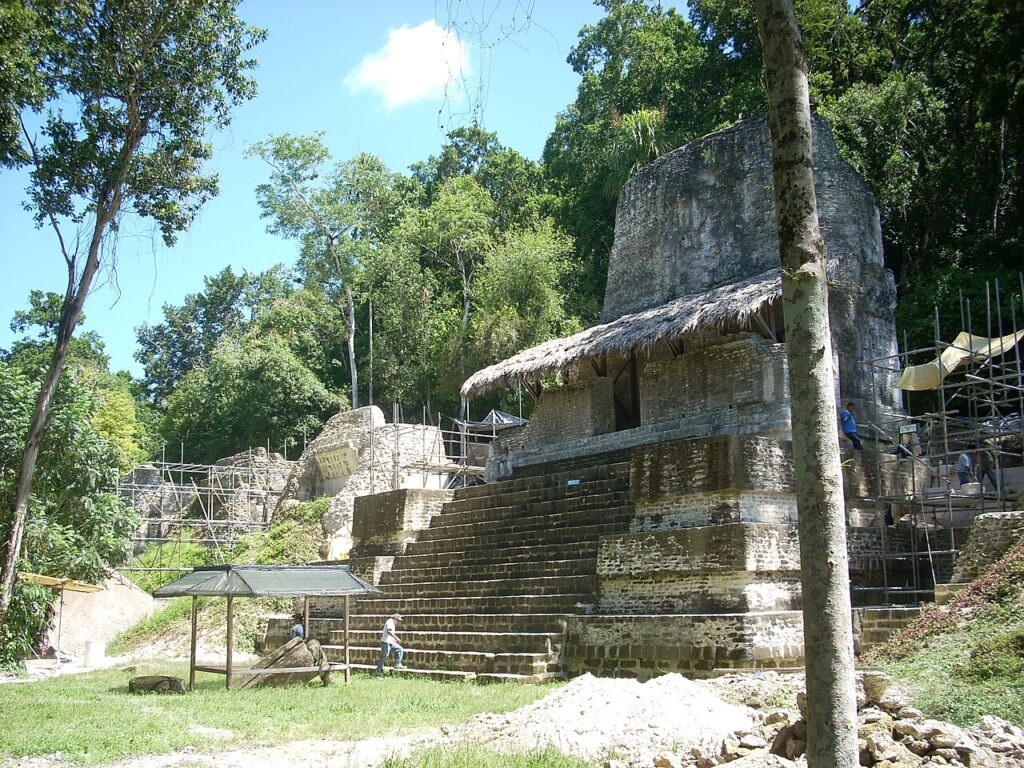
The Plaza of the Seven Temples
Architectural complexes connected by ancient causeways
Ceremonial ball courts
These spaces reflect the complex social, political, and ritual organization of the Maya city.
Can You Climb the Structures?
Access to certain structures is permitted through wooden stairways and observation platforms installed to protect the original architecture. These access points may change depending on conservation measures and current park regulations. Visitors are encouraged to follow posted signs and instructions in order to help preserve this World Heritage site.
Recommendations:
Respect all official signage
Follow the instructions of authorized park personnel
Always prioritize the protection and conservation of the archaeological structures